
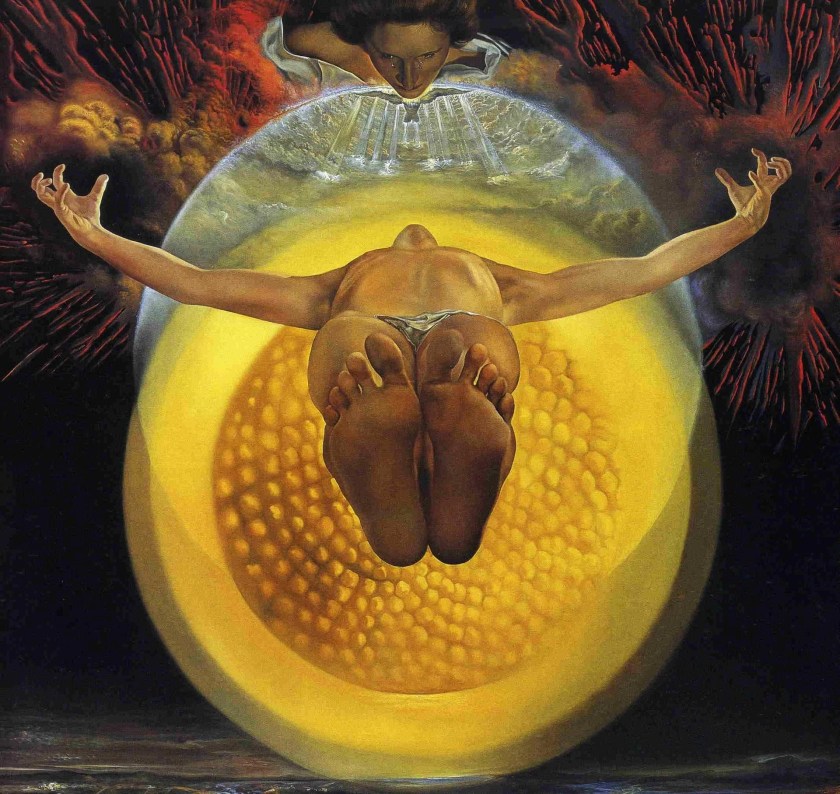
We are now two weeks away from ascension Sunday. According to scripture, the ascension of Christ (his bodily return to Heaven) occurred forty days after the resurrection. The ascension is an oft overlooked chapter in the gospel story. Obviously, all Christians recognize and celebrate the resurrection of Christ, but the ascension of Christ can get forgotten in Easter’s wake. But the ascension is an essential doctrine for all believers for many reasons. Let’s explore those reasons next.
Ascension and resurrection.
Luke 24:50-51. 50And he led them out as far as Bethany, and lifting up his hands he blessed them. 51While he blessed them, he parted from them and was carried up into heaven.
Luke 24 contains several resurrection appearances of Christ. The women, Peter, the two on the road to Emmaus, the ten in the upper room. So these two verses can feel like Luke is just giving us another “random” appearance of Jesus to his disciples. It also doesn’t help that his description of the ascension feels so very “matter of fact,” leaving us with many questions.
Often it feels like we combine Jesus’ resurrection an ascension into one event – the glorification of Jesus. But this is not simply another resurrection appearance by Jesus. The ascension is a distinct event. Yes, it is a space-time event, happening at a particular moment and in a particular place, yet the ascension goes beyond space-time. The ascension is a physical body, once limited by space and time, leaving this physical dimension and going to Heaven where it is unlimited by space and time.
This has caused many Christians to question whether or not Jesus is still in a body. How can a physical body dwell in Heaven, a non-physical world? Did Jesus give up his resurrected body when he ascended? Did his body evaporate as he was raised up from the Earth? If he is still in a body is it different somehow?
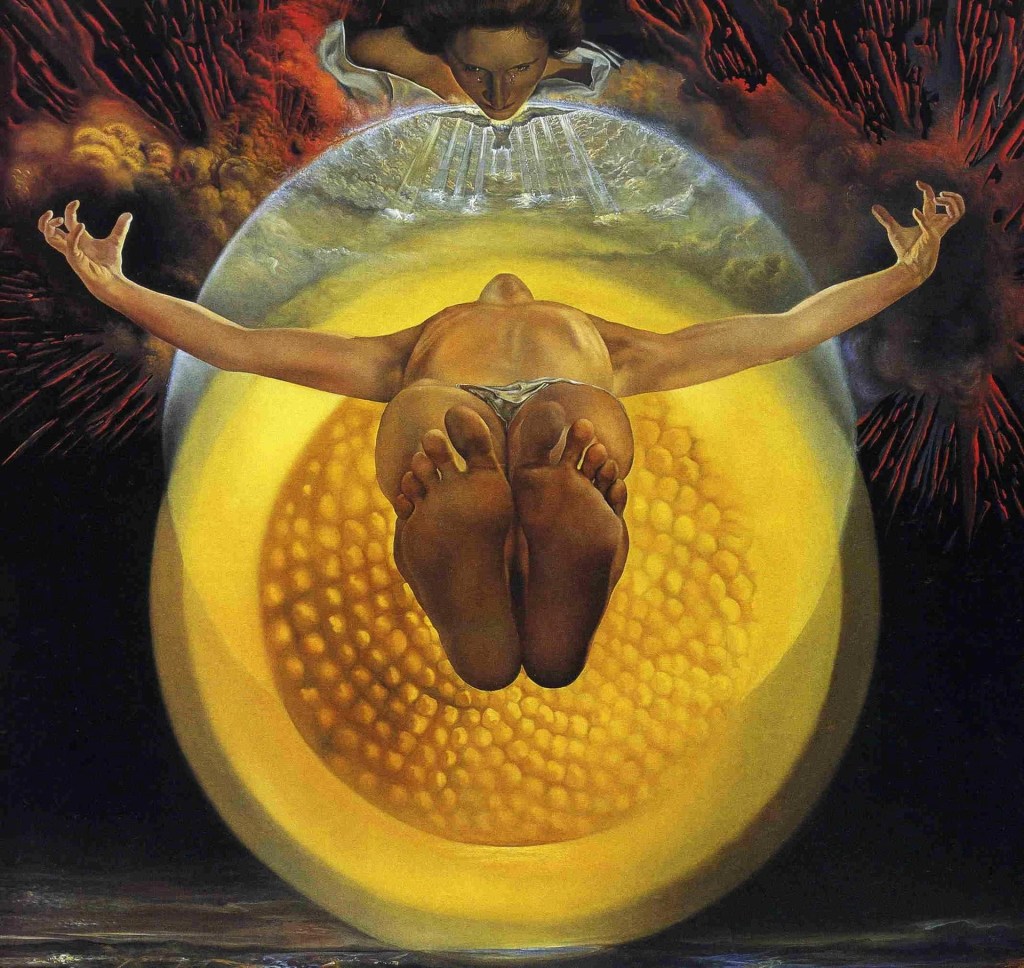
Let’s be clear – the ascension in no way negates the resurrection of Christ bodily. What do I mean? I’ll let Christian author Randy Alcorn explain:
One remarkable thing about the ascension is that it affirms Christ’s physical body went into Heaven following his resurrection. This is what the creeds call his “self-same body,” stating that likewise our self-same bodies will be restored in our resurrection. Some Christians imagine that Christ shed himself of his humanity and returned to being a completely spiritual being when he went back to Heaven. But this is false. The ascension creates a paradigm shift. The truth is not that Jesus became a baby at Christmas, and then 33 years later came the resurrection and ascension and then he stopped being a man. The resurrection demonstrates the incarnation is not temporary. But still it could be wondered if having defeated death in the resurrection, when it came time to going back to Heaven, Christ might have said “time’s up, no sense in being a man any more” and shed himself of a body and retake the form (or lack of form) inherent in being the second member of the trinity.
He could have “dissolved” or “disappeared,” but instead he physically ascended to a place, from which he will physically return to earth in the same physical body. So Jesus became a man (first coming, incarnation), defeated death and assumed his eternal body as a man (resurrection), and went back to Heaven as a man (ascension) and will return as a man (second coming; and as our firstfruits raising our self-same bodies as bodies like his). He will reign over the New Earth as the God-man. He has become a permanent member of the human race.
Just like Enoch and Elijah before him, Jesus ascended into Heaven fully human and in a human body. As theologian, Gavin Ortlund put it, “Just as at the incarnation the Word entered a body without leaving Heaven, so too at the ascension the Word enters Heaven without leaving the body.”
The implications of all this are incredible, and we will discuss many of these in more details in the days ahead. Things like…
The implication of Christ’s ongoing presence with us through the Spirit.
The implications for Christ’s ongoing saving work.
The implications of a man ruling over all creation at the right hand of God.
The implications for God’s love and care for, and reconciling work of the physical world.
The implications for the nature of the eternal state.
The implications for our life on Earth today as the saved and glorified church.
The implications for the return of Christ.
Jesus did not just die, he rose. Jesus did not just rise from the dead, he ascended into glory to rule and reign. The ascension of Jesus is not an add-on to the gospel or some unnecessary doctrine that we can overlook. Without it we simply are not saved. We are not united to Christ. And we are not on our way to glory.
You: Which of these implications most intrigues you?
You in Christ: Can you think of ways that the ascension impacts the doctrine of our union with Christ?
Christ in you: What difference does it make that the ascended Christ (not just the resurrected Christ) lives in you?
Prayer: Father, the ascension of Jesus not only returned him to you, but also made it possible for him to live in me. What a brilliant plan! Help me to take more note of the truth of the ascended Jesus. Amen.
 To Live is Christ