
Proverbs 31:24.She makes linen garments and sells them; she delivers sashes to the merchant.
The excellent wife has become prolific in her production of goods to sell in order to provide for her family. She has selected the materials (v.13), woven it into clothe (v.19), made clothing for her family (v.22), and has made enough to sell to the merchants that pass through her village.
Sometimes we think that a life of hard work, of physical labor, of working with our hands is a lesser calling. Bible stories like Mary and Martha leave us believing that the contemplative life is the higher life. We believe that being a stay at home mom, working hard to manage a household is not a wise choice for a woman in today’s society, where so many other opportunities are available. In general, we don’t see physical activity as a spiritual activity. But have we created a false dichotomy?
One of the best changes that came from the Protestant Reformation was a return to valuing the ordinary life. The Reformers taught that God has ordained every task and vocation for his glory. Proverbs 31 is a reminder of this truth. It is not only the husband sitting in the gates that is wise (v. 23), but it is the woman at home, running a household and a small business that is also wise. Her work empowers his work, and extends their influence into the community.
Jesus himself worked with his hands at a “mundane” job. We know Jesus to be a carpenter or craftsman, maybe even a stone mason. For twenty years of his life, Jesus made things and sold them. Chances are he built houses and likely even synagogues. His hands were calloused, his muscles ached at night, he had to keep his mind sharp through hours of repetitive work. Even in his day he was not someone that anyone should listen to. “Isn’t this the carpenter’s son?” they asked in disdain. Isn’t she just a stay at home mom? Isn’t he just a landscaper? Did she even go to college? Do you really want to do that kind of work your whole life?
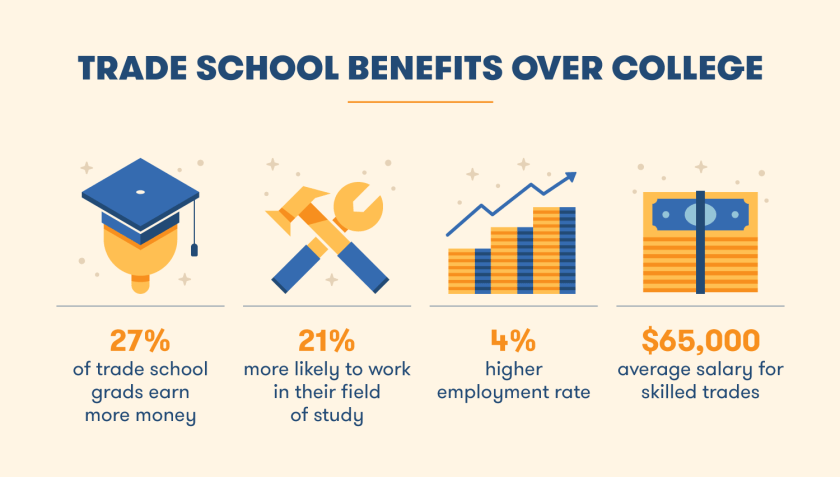
Does God value white collared work over blue collared work? Does he exalt thinking over doing? Does he give lesser value to crafts and trades? Obviously not. When God took on flesh and took on a career, he chose a craft. And not because that was his only option. Remember, Jesus is the only child who ever chose his own parents, and thus his own station in life. He chose to grow up in a poor craftsman’s home. Was there wisdom in that? I’m sure there was.
Some research shows that those with the highest level jobs with the highest salaries are very limited in their skills and abilities. They are so narrowly focused that, even as they run multi-billion dollar companies, they are completely out of touch with the purpose of their own work, their communities, the environment, and in general lack a sense of meaning in their own personal lives.
By contrast, people who work with their hands, the makers, they know their community, they appreciate the environment, they know why they are doing what they do? Often they can see the immediate results of their work, which brings a sense of meaning and satisfaction. Like the Proverbs 31 woman, they can see the whole of things, not just the part. She sees how work, faith, dignity, compassion, influence, justice, and love are all connected. Do we? In Christ we can and we must. Just like work, Christ is not a subcategory of our lives, disconnected from everything else. He is all in all, bringing meaning and purpose to everything we do.
You: What kind of work do you aspire to do? Do you look down on physical labor for some reason?
You in Christ: How does our union with Christ give value and connectedness to all of our work?
Christ in you: How can you begin to make connections between your work and faith, individual tasks and the community around you?
Pray: Father, help me to value and respect all types of work. Keep me connected to the world around me too, not aloof or so narrowly focused that I forget that Christ is on display through me. Amen.

