Proverbs 24:10. If you faint in the day of adversity, your strength is small.
This proverb challenges us with one of life’s most important questions: in the day of adversity will we faint or will we stand strong?
The word faint probably doesn’t mean passing out. It means to passively do nothing. The word strength doesn’t refer primarily to physical strength, but to spiritual strength, faith. The fear of the Lord. The wisdom of trusting God is strength.
And God will and likely is testing your strength today. Just ask yourself, what adversity (trouble) am I facing today? What challenges to my faith are before me? Have I been tempted to be a quitter? A fainter?
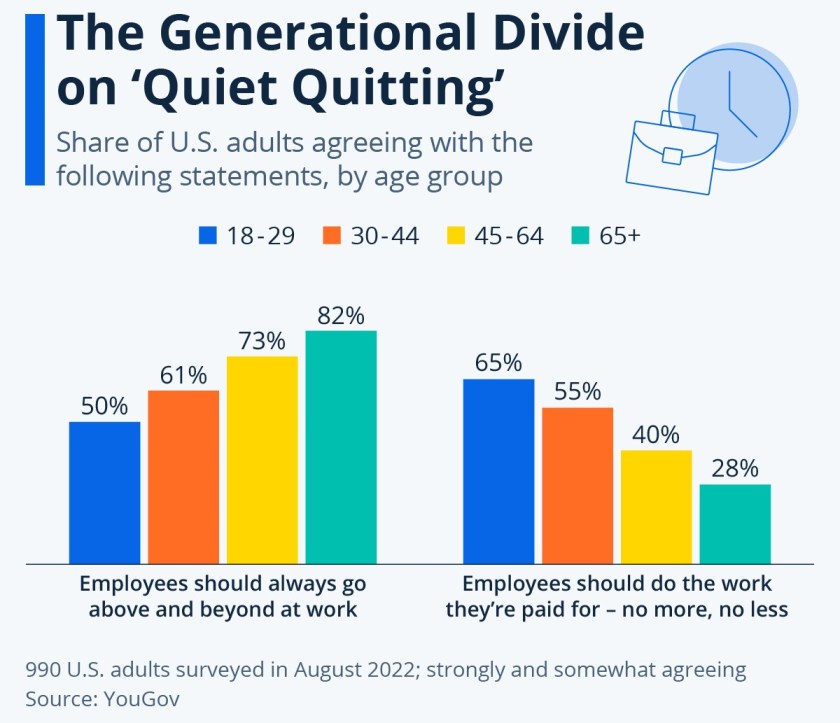
Are you considering quitting in your difficult marriage? Trying to get away from your parents? Giving up on the church? Are you “quietly quitting” at work? Have you written off your co-workers and neighbors?
What about in regards to the adversity others are facing? Do you look the other way? Do you say “be warmed, be filled,” but then do nothing to help. Do you love only in talk but not in deed? Are you more like the hireling than the good shepherd?
Proverbs 24:11-12. 11Rescue those who are being taken away to death; hold back those who are stumbling to the slaughter. 12If you say, “Behold, we did not know this,” does not he who weighs the heart perceive it?
Do you find yourself making excuses when it comes to loving others out of danger? It’s not my business. I didn’t know. It’s their problem. I don’t have the emotional and spiritual resources to help.
The principle is clear: how we handle adversity, both our own and others’, is indicative of how much spiritual strength we have. The Christian who knows and considers their indwelling resurrection power will have a high capacity for handling adversity and trouble. And the way we handle adversity, trouble, and hardships will reveal how wise and how strong we are. If we give up (faint) in the day of adversity, then clearly our strength is small. But if we respond to hardship, and the hardships of others, with faith, hope, and love, then we prove that we have the power of God in us.
Low faith = high fainting. High faith = high strength.
Faith in what? In the Lord. That’s the most important part. Making sure that we are strong in times of adversity not from our own self-centered power or performance, but strong in knowing that in Christ all things work together for the good – the conforming of our lives into his own.
You: Where in your life can you see yourself fainting – passively doing nothing?
You in Christ: How does union with Christ allow us to face adversity with the strength of the weakness of the cross?
Christ in you: Who in your life is facing adversity? How might you help live out Proverbs 24:11 (above)?
Pray: Father, I want to be strong in times of trouble. I want to respond to adversity with faith, hope, and love. Amen.
 To Live is Christ